





Upgrading your windows is one of the most impactful investments you can make to improve your home’s comfort and reduce utility bills. Focusing on energy efficiency means your home stays warmer in the winter and cooler in the summer, while you enjoy year-round savings. For homeowners seeking residential windows Grand Junction, understanding energy-efficient options is key to maximizing return on investment.
Whether you are renovating an existing property or building a new home, selecting the right windows involves careful consideration of their features, energy performance, and your local climate. This article offers practical guidance for choosing energy-efficient windows suited to your needs. After all, the right windows not only reduce energy consumption but also boost home value and comfort. According to the U.S. Department of Energy, heat gain and heat loss through windows are responsible for 25%–30% of residential heating and cooling energy use, so selecting wisely is crucial.
Understanding Energy-Efficient Window Features
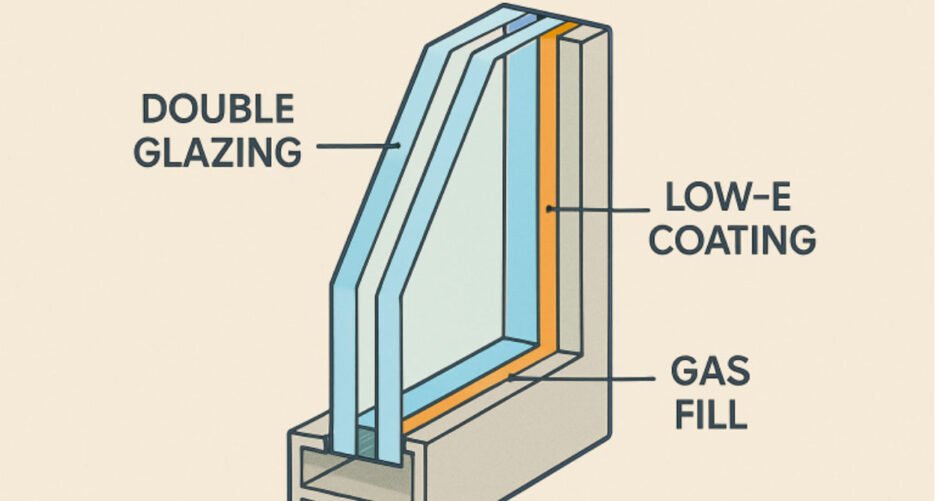
Energy-efficient windows use advanced technology to minimize heat transfer and maximize your home’s comfort. The most prominent features include:
- Double or Triple Glazing:Windows with two or three glass panes trap a layer of air or inert gas between them, acting as insulation to reduce thermal transfer. This effective barrier limits heat loss in winter and minimizes heat gain in summer.
- Low-Emissivity (Low-E) Coatings:A thin metallic layer is applied to the glass surface. This coating reflects infrared energy, reducing the amount of heat that passes through, letting in natural light while maintaining temperature balance inside your home.
- Inert Gas Fills:Argon or krypton gas, inserted between glass panes, enhances insulation. These gases are denser than air, making them more effective at minimizing heat transfer and improving your window’s energy rating.
These features are designed to work together, providing both improved comfort and significant energy savings throughout the year. Combined with strong, insulated window frames, you can expect a substantial drop in your heating and cooling costs.
Evaluating Energy Performance Ratings
The energy performance of windows is measured using two main ratings. Knowing how to interpret these numbers will help you make an informed decision:
- U-Factor:Indicates how well the window insulates by measuring the rate of heat loss. Lower U-factor values mean better insulation, which is essential for colder climates.
- Solar Heat Gain Coefficient (SHGC):Represents the window’s ability to block solar radiation. A lower SHGC is ideal for warmer regions to keep out unwanted heat, while a higher SHGC helps retain warmth in colder areas.
For buyers, understanding these ratings simplifies the evaluation process and ensures that the windows selected are tailored to both energy efficiency and your local environment.
Climate Considerations
Different climates require different window technologies for optimal energy savings. Here are some key recommendations:
- Cold Climates:Prioritize windows with a low U-factor and higher SHGC to maximize heat retention and benefit from passive solar heating during colder months.
- Hot Climates:Look for windows with a low SHGC to prevent unwanted heat from entering your home, effectively reducing air conditioning needs.
By selecting windows based on your regional climate, you enhance both comfort and energy savings. Consult the Architectural Digest guide to energy-efficient windows for more advice on matching window specifications to your local weather patterns.
Installation and Maintenance
Even the best windows will underperform if they are not installed correctly. Proper installation ensures gaps are sealed and the unit is seamlessly integrated into your wall system. Air leaks around the frame or sash can quickly negate any energy-saving benefits. Rely on experienced professionals for installation, and check their credentials and references before hiring. Ongoing maintenance, such as inspecting seals, lubricating hardware, and cleaning tracks, is also vital for extending the lifespan and maintaining the performance of your windows.
Financial Incentives and Rebates
Energy-efficient windows often qualify for valuable financial incentives that make upgrading more affordable:
- Federal Tax Credits:Homeowners may claim up to 30% of the cost of windows certified by ENERGY STAR, up to $600. This incentive is valid through December 31, 2025. Additional information is available on the ENERGY STAR tax credit guide.
- Utility Rebates:Many state and local utility companies provide rebates for installing approved energy-efficient windows. Check your provider’s website for details about current rebate programs in your area.
Combining these programs can significantly reduce your upfront expense, and the ongoing monthly savings will continue to pay dividends for years to come.
Environmental Impact
Installing energy-efficient windows does more than save money. It also benefits the environment by minimizing your overall heating and cooling demand, thereby reducing your home’s carbon footprint. Lower energy usage translates to fewer greenhouse gas emissions, contributing to cleaner air and a more sustainable future for your community.
Conclusion
Investing in energy-efficient windows is one of the smartest choices homeowners can make. By understanding window technology, interpreting energy ratings, and considering local climate factors, you can select products that offer the best performance and lasting value. Take advantage of financial incentives to offset costs and trust experienced professionals for installation. With these steps, you will enjoy a more comfortable home, lower utility bills, and make a positive contribution to the environment.