




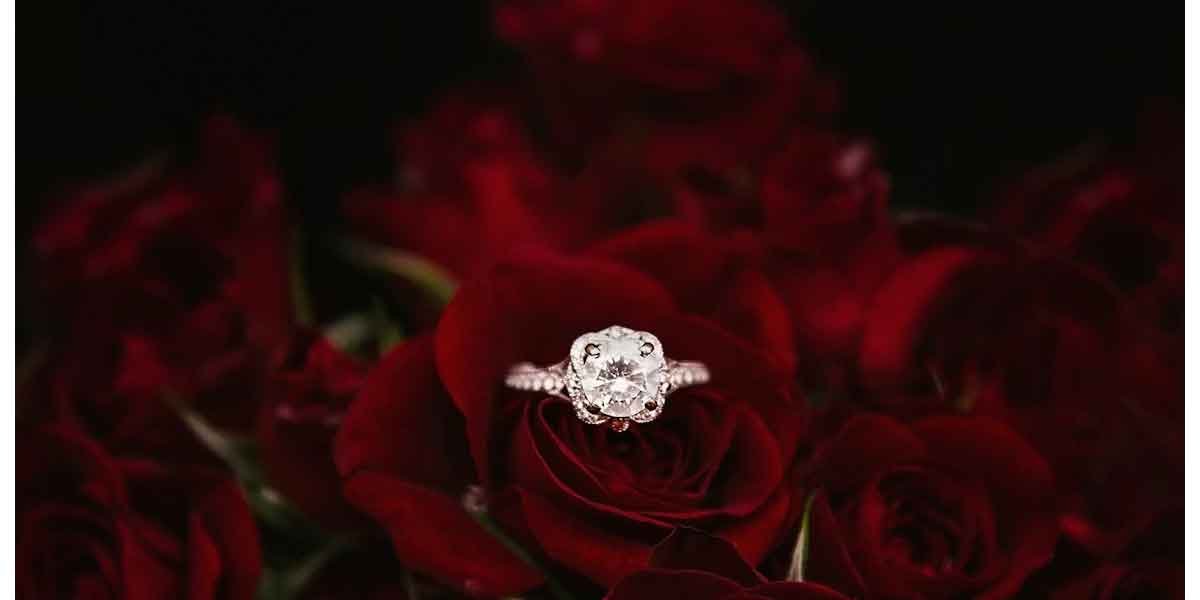
Designing proposal jewelry together is an experience that many couples now view as an extension of their partnership rather than a departure from romance. Instead of placing all decisions on one person, couples increasingly choose collaboration to ensure the final piece reflects shared values, mutual understanding, and long term significance. This approach transforms proposal jewelry from a surprise centered on guesswork into a meaningful creation shaped by communication and trust. When couples design together, the jewelry becomes not only a symbol of commitment, but also a reflection of how they make decisions as a team.
Beginning With Honest Conversations About Meaning
The design process works best when couples start by discussing what the proposal jewelry represents to each of them. For some, it is deeply tied to tradition and family history. For others, it is about individuality, symbolism, or lifestyle compatibility. These conversations create alignment before any design details are considered.
Talking openly about expectations helps prevent misunderstandings later. One partner may value minimalism while the other prefers distinctive details. One may associate certain styles with emotional significance, while the other focuses on practicality. Addressing these differences early ensures that both voices shape the outcome. The goal is not compromise through sacrifice, but clarity through shared intention.
Defining Personal Style as a Couple
Personal style plays a central role in jewelry design, especially when both partners participate. Couples often begin by exploring what styles resonate individually, then identifying where tastes naturally overlap. This might involve reviewing existing jewelry, looking at inspiration images, or visiting showrooms together.
Style definition also extends beyond aesthetics. Couples consider how jewelry fits into daily life, professional settings, and long term wear. A design that feels authentic becomes easier to wear and cherish over time. When proposal jewelry aligns with personal identity rather than external expectations, it strengthens the emotional connection to the piece.
Choosing Materials with Long Term Wear in Mind
Material selection is one of the most practical aspects of collaborative design. Metals and stones vary in durability, maintenance requirements, and visual aging over time. Couples who design together have the opportunity to weigh these factors carefully.
For example, the choice of metal influences comfort, longevity, and appearance as years pass. Stone selection may reflect ethical considerations, durability, or symbolic meaning. These decisions benefit from thoughtful discussion rather than rushed selection. Considering long term wear ensures the jewelry remains as meaningful in daily life as it was during the proposal itself.
Balancing Practical Needs with Emotional Expression
One of the strengths of designing jewelry together is the ability to balance emotion with practicality. Proposal jewelry carries deep sentiment, but it also functions as an object worn regularly. Collaborative planning allows couples to address comfort, sizing, maintenance, and lifestyle needs without diminishing romance.
Rather than seeing practicality as limiting creativity, many couples find it enhances meaning. Choosing features that support everyday comfort ensures the jewelry stays integrated into daily life. Emotional expression remains intact, complemented by thoughtful design choices that respect real world use.
Collaborating With a Trusted Jewelry Professional
Designing together often involves working closely with a jewelry professional who can guide the process. Skilled designers help couples translate ideas into feasible designs while preserving emotional intent. Collaboration with an expert creates structure without removing personal input.
This guidance is particularly valuable when creating custom wedding rings, as customization involves technical considerations that benefit from professional insight. A knowledgeable designer helps couples make informed decisions about proportions, settings, and durability, ensuring that creativity aligns with craftsmanship. Open collaboration with a professional builds confidence and clarity throughout the design journey.
Setting a Budget That Supports Shared Goals
Budgeting can feel uncomfortable, but collaborative design makes these conversations more natural. Couples benefit from discussing financial boundaries openly before design begins. This ensures decisions are guided by shared priorities rather than assumptions or outside pressure.
A clear budget encourages intentional choices rather than limiting creativity. Couples decide what aspects matter most, such as craftsmanship, personalization, or long term durability. Establishing financial alignment early reduces stress and allows the design process to remain focused on meaning rather than cost anxiety.
Allowing Time for Thoughtful Decisions
Designing proposal jewelry together requires patience. Rushing through the process can create unnecessary pressure and limit exploration. Time allows couples to reflect on options, revisit preferences, and grow confident in their decisions.
This slower pace often deepens emotional connection to the jewelry. Each choice becomes part of a shared experience rather than a checklist item. Taking time also allows room for excitement to build naturally, ensuring the final design feels right both emotionally and practically.
Redefining Romance Through Collaboration
Some worry that designing proposal jewelry together removes the element of surprise. In reality, many couples find that collaboration strengthens romance by fostering trust and understanding. Romance evolves when both partners feel seen and heard in the process.
Surprise can still exist in how the proposal unfolds, even when jewelry design is shared. What matters most is the intention behind the gesture. When both partners participate in creating the symbol of their commitment, the proposal reflects partnership at its core.
Respecting Individual Input Within Shared Decisions
True collaboration does not require equal involvement in every detail. Some couples divide responsibilities based on interest or expertise. One partner may care deeply about design aesthetics, while the other focuses on practicality or long term considerations.
Respecting individual strengths supports balance. Shared decisions remain guided by mutual respect rather than uniform participation. This flexible approach mirrors how many couples navigate life decisions together, making the jewelry a reflection of their dynamic as a pair.
Creating a Piece That Grows With the Relationship
Proposal jewelry designed collaboratively often carries enduring relevance because it reflects who the couple is at the moment of commitment. Rather than following fleeting trends, collaborative design emphasizes timeless qualities grounded in personal meaning.
As the relationship evolves, the jewelry continues to resonate because it was shaped intentionally from the beginning. The memories tied to its creation become part of its story, adding emotional layers beyond appearance alone.
Conclusion
Designing proposal jewelry together transforms the process into a shared experience rooted in communication, trust, and mutual respect. When couples approach design collaboratively, the final piece reflects not only commitment, but also the values and decision making style that define their partnership. Through honest conversations, thoughtful planning, expert guidance, and patience, couples create jewelry that remains meaningful long after the proposal moment. Collaborative design honors both individuality and unity, making proposal jewelry a lasting symbol of a relationship built together from the very beginning.