




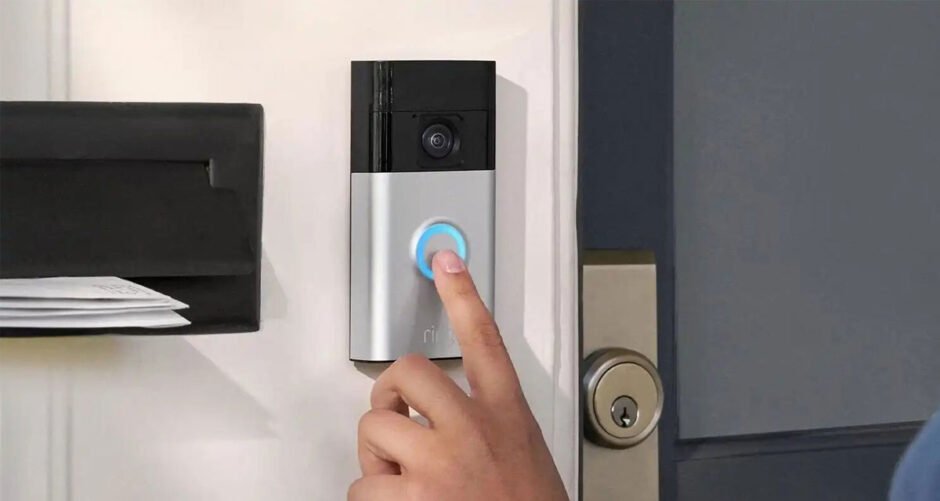
In modern residential security systems, connected entry solutions are widely used to improve access control, monitoring, and real-time communication. As these devices become more common in homes, users increasingly expect seamless performance and minimal disruptions in daily operation. However, operational inconsistencies and performance-related challenges can still occur, impacting overall reliability.
This is where a smart doorbell troubleshooting guide for residential installations becomes essential in ensuring smooth functionality and long-term device stability. A structured approach to understanding these systems can significantly improve day-to-day performance outcomes.
Let’s learn about the most common issues, their typical causes, and practical ways to address them effectively.
5 Key Smart Doorbell Issues: Faults and Practical Troubleshooting Approach
Here are the common faults affecting performance and reliability in modern smart entry systems.
- Power Supply Instability and Irregular Device Behavior
Unstable power delivery is a common issue in a smart doorbell system, often caused by loose wiring, incompatible transformers, or fluctuating circuit loads, which can lead to restarts or inconsistent performance. As an electrical device in home security infrastructure, it requires a stable voltage to operate reliably.
Professionals use diagnostic equipment to check voltage stability, inspect connections, and ensure transformer compatibility, while proper load distribution helps prevent recurring interruptions.
- Weak Network Connectivity and Signal Interruption
A smart doorbell operating in wireless-enabled environments relies heavily on consistent internet connectivity for real-time alerts and video transmission. Structural barriers from the router, or interference from other electrical equipment, can significantly weaken signal strength and lead to intermittent connectivity loss.
Minor changes in router placement can improve performance stability, while monitoring network congestion during peak hours helps maintain smoother connectivity.
Users can also incorporate mesh systems, reposition routers, deploy signal boosters, and minimize interference to ensure more stable and consistent network performance.
- Delayed Notifications and Synchronization Issues
A smart doorbell connected to mobile monitoring applications may experience delayed alerts due to outdated firmware, background app restrictions, or server-side latency. Incorrect device configuration or an overloaded mobile cache can also disrupt real-time synchronization between the hardware and the app interface.
Resolving this typically involves updating the firmware to the latest version, enabling unrestricted background activity for the application, and periodically clearing the cache. In some cases, re-syncing the device or performing a controlled reset helps re-establish stable communication between the system components.
- Camera Quality Degradation and Video Distortion
A smart doorbell installed in varying environmental and lighting conditions may show blurred images, pixelation, or reduced night vision clarity over time. Dust on the lens, improper mounting angles, or limited bandwidth can directly impact video quality, often leading to gradual degradation.
Routine maintenance, such as cleaning the lens, adjusting angles, and optimizing resolution and bandwidth settings, helps maintain clarity and ensures consistent video performance.
- Audio Malfunction and Communication Breakdown
A smart doorbell integrated within a smart home communication circuit may experience weak, distorted, or absent audio output due to microphone blockage, software faults, or gradual speaker wear from outdoor exposure. Moisture and external interference can further reduce clarity over time.
Basic troubleshooting includes restarting the device, verifying audio permissions, and testing across multiple devices. If issues persist, inspecting hardware integrity or replacing faulty components may be required to restore clear two-way communication.
Elevate Smart Doorbell Performance with Expert Electrical Solutions
Improving the reliability of a smart doorbell setup goes beyond basic troubleshooting and often requires a more structured approach to installation and maintenance. As homes continue to adopt connected security systems, ensuring consistent electrical integrity and system compatibility becomes increasingly important for long-term performance.
Such collaboration helps ensure proper system design, accurate load assessment, and the use of certified components, thereby reducing the risk of recurring operational issues. Professional guidance also supports better deployment planning, especially when multiple connected devices are incorporated into a single network.
Taking an active, expert-led approach improves system stability and ensures the installation remains scalable, efficient, and ready for future smart home technology upgrades.