





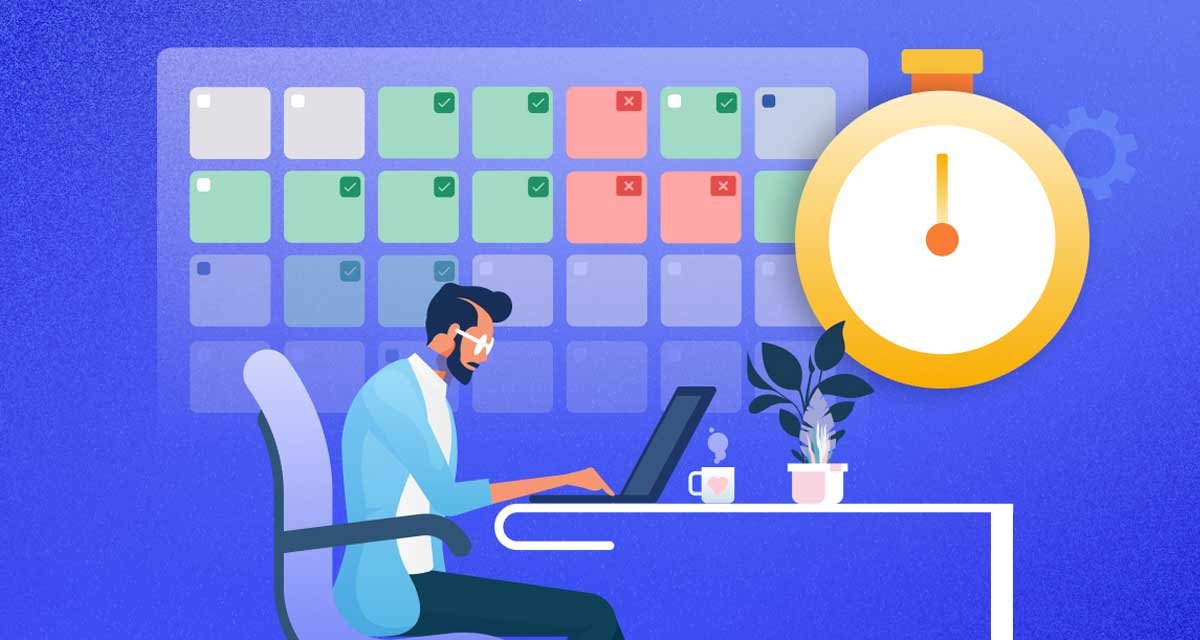
Interview coordination has long been a behind-the-scenes task that plays a critical role in hiring outcomes. Traditionally, this process relied on manual emails, spreadsheets, and repeated follow-ups to align candidate availability with interviewer schedules. While functional, these methods often introduced delays, miscommunication, and administrative strain, especially as organizations scaled or managed multiple roles simultaneously. As hiring practices evolve, so do expectations for efficiency, accuracy, and candidate experience.
Modern approaches are reshaping how organizations manage interview coordination by reducing reliance on manual effort and improving consistency. Automated tools now support interview scheduling by streamlining availability matching, confirmations, and updates, allowing hiring teams to focus more on evaluation rather than logistics. This shift reflects a broader trend toward process optimization, where technology supports fairer, more organized, and more responsive recruitment workflows without changing the core goal of thoughtful candidate assessment.
The Challenges of Manual Interview Scheduling
Traditional interview scheduling poses a challenge for hiring teams—especially those dealing with multiple candidates, interviewers, or global locations. Manually coordinating a single interview often involves sending numerous emails or making phone calls, checking and aligning availability across different calendars, and repeatedly adjusting for last-minute changes. These administrative headaches can slow down the hiring process, increase the likelihood of errors, and create a less-than-ideal experience for candidates.
Recruiters can quickly become bogged down in scheduling logistics, pulling them away from more strategic efforts such as talent assessment and employer branding. On the candidate side, delays and confusion can cause frustration, reduce engagement, and even push strong applicants toward other opportunities. Pain points like these underscore why many forward-thinking organizations are eager to adopt smarter scheduling solutions.
Benefits of Automated Interview Scheduling
Automated scheduling technologies address many of the pitfalls found in manual processes. These tools use sophisticated algorithms to analyze calendar data, suggest optimal times, and manage time zone differences without human intervention. The major benefits include:
- Time Efficiency:Recruiters regain valuable hours by offloading administrative scheduling tasks to automated systems—allowing them to focus on higher-impact aspects of talent acquisition.
- Enhanced Candidate Experience:Allowing candidates to pick their own interview slots adds flexibility and respects their time, leading to higher engagement and satisfaction throughout the hiring process.
- Reduced Errors:Automated systems virtually eliminate double bookings, missed communications, and time zone mishaps—making the experience smoother and more reliable for all parties.
Self-Scheduling: Empowering Candidates
One of the most effective ways to modernize interview coordination is through self-scheduling platforms. These tools provide candidates with a user-friendly interface, enabling them to select interview slots at their convenience. This self-service approach reduces back-and-forth interactions between recruiters and candidates and ensures a more positive, personalized experience. Candidates appreciate organizations that value their time and empower them to participate actively in the recruitment process.
AI-Driven Interview Coordination
Artificial Intelligence is revolutionizing every step of interview management. AI-powered platforms can review recruiter and interviewer calendars, optimize interview timing based on candidate and team availability, and automate routine communications such as confirmation emails and reminders. Advanced systems may even use AI to analyze candidate responses, supporting unbiased evaluations and more informed hiring decisions. The impact is clear: faster, fairer, and more data-driven interviews for both parties.
Implementing Automated Scheduling in Your Organization
Adopting automated scheduling isn’t just a tech upgrade—it’s a strategic shift that requires thoughtful planning and execution. Here are the essential steps to success:
- Assess Your Needs:Begin by mapping out current pain points and bottlenecks in your existing scheduling workflow. Identify where automation can have the greatest impact.
- Choose the Right Tool:Evaluate scheduling platforms that seamlessly integrate with your applicant tracking system and communication tools. Look for solutions that accommodate your volume, team size, and custom workflow requirements.
- Train Your Team:Ensure recruiters, hiring managers, and interviewers are comfortable and proficient with the new system. Offer training sessions and create reference materials to aid adoption.
- Monitor and Optimize:Continuously track key performance indicators like scheduling speed, no-show rates, and candidate satisfaction. Use this data to fine-tune your processes and maximize results.
Overcoming Potential Challenges
While the move to automation offers clear payoffs, organizations should watch for certain hurdles. Integration with legacy or third-party systems can be complex and may require technical support. To minimize friction, communicate the benefits clearly and provide step-by-step guidance for recruiters and applicants who may not be familiar with automated or self-scheduling systems.
- Integration Issues:Collaborate with IT early in the process to resolve compatibility issues and ensure secure, seamless data exchange across platforms.
- Candidate Adaptation:Offer clear instructions and support channels for candidates, recognizing that not every job seeker is accustomed to digital scheduling tools.
- Maintaining Personal Touch:Automation should enhance, not replace, the human aspects of hiring. Balance efficiency with personalized communication to keep candidates feeling valued and informed.
Conclusion
The transition from manual to automated interview coordination represents a critical evolution for forward-thinking organizations. By embracing modern scheduling tools, companies can streamline their processes, attract top talent, and deliver a stand-out candidate experience. Automation is no longer a luxury but a necessity in the drive for hiring excellence and competitive advantage.