





Introduction
The landscape of payroll management is rapidly evolving as organizations prioritize smarter, faster, and more reliable ways to manage their workforce. Technology is at the forefront of this transformation, with Artificial Intelligence (AI) driving remarkable efficiencies across the payroll spectrum. For businesses across sectors, adopting new models, such as AI-powered payroll processing for employers, can dramatically improve compliance, accuracy, and employee satisfaction.
As the demand for transparency and real-time access grows, so does the expectation for flawless payroll execution. Automation reduces the time spent on administrative tasks, mitigates the risk of costly errors, and ensures both employers and employees enjoy seamless experiences. Pairing advanced technology with robust payroll processing for employers solutions is quickly becoming the gold standard for forward-thinking organizations seeking a competitive edge.
Payroll isn’t just about paying employees on time; it’s a complex function that must accommodate ever-changing regulations and unique workforce needs. Harnessing AI technologies in payroll processing for employers’ systems not only speeds up processing but also lays the groundwork for predictive intelligence and smarter business decision-making. As these trends accelerate, staying informed on advancements will ensure organizations are positioned for long-term success.
As labor laws worldwide become increasingly complex, the right payroll processing for employers’ automation tools can be a strategic advantage, helping companies adapt to new regulatory environments and minimize compliance risks. According to the Society for Human Resource Management, organizations leveraging AI for payroll tasks can free HR professionals for higher-level strategic work while still achieving optimal accuracy and reliability.
AI Transforming Payroll Processes
AI-driven payroll systems are automating a range of previously manual functions, including data entry, wage calculations, and error detection. These advanced systems can reconcile timesheets, validate payroll data, and flag anomalies or inconsistencies before payroll is processed, resulting in fewer mistakes and faster issue resolution.
One of the standout benefits of AI automation is its capability to adapt and learn. Machine learning algorithms sift through vast datasets to detect subtle patterns, ensuring that payroll errors, whether due to compliance missteps, duplicate entries, or missed adjustments, are caught early. This growing intelligence helps organizations reduce costly errors, keep employees satisfied with prompt and accurate payments, and foster trust within the workforce.
The Rise of Real-Time Payroll Systems
Legacy payroll systems often relied on predetermined pay periods, sometimes causing financial inconvenience for employees awaiting scheduled disbursements. With real-time payroll, employees can now access their earned wages immediately, greatly improving financial wellness and overall job satisfaction. This flexibility is especially sought after in industries with hourly or gig-based workers.
Furthermore, real-time payroll capabilities allow businesses to remain competitive in talent acquisition and retention. Dynamic payroll models can quickly adapt to fluctuating schedules, bonuses, and variable pay, reducing administrative overhead and enhancing the employer’s reputation as an innovator. Trends show that real-time payroll is rapidly becoming the expectation rather than the exception.
Navigating Compliance and Regulatory Challenges
Payroll compliance remains a top concern for businesses as laws and tax rules continue to evolve. AI compliance tools not only track legislative changes in real time but also automatically update payroll processes in adherence with the latest requirements. This proactive approach mitigates risks of audits, fines, and reputational damage, positioning organizations for smoother compliance management.
Additionally, AI-powered reporting and alert systems generate tailored compliance reports, prompt payroll professionals to act on potential issues, and provide audit trails that demonstrate due diligence. Such features ensure that organizations can respond instantly to new regulations and maintain transparency with authorities.
Enhancing Employee Experience Through Self-Service Portals
Empowering employees with AI-integrated self-service portals has revolutionized the user experience. Modern payroll portals enable workers to easily access digital payslips, review detailed tax deductions, retrieve old pay documents, and update their own information—without waiting for HR support. Features such as chatbots and AI-driven Q&A systems provide real-time answers to common payroll questions, reducing HR workload and increasing employee autonomy.
This level of transparency builds employee confidence in payroll processes and streamlines HR tasks. It also reduces errors in manual data updates, reinforcing a culture in which employees feel supported by robust, self-serve technology. The result is a workplace in which employees enjoy greater control, privacy, and satisfaction over their financial data and transactions.
Balancing Technology and Human Oversight
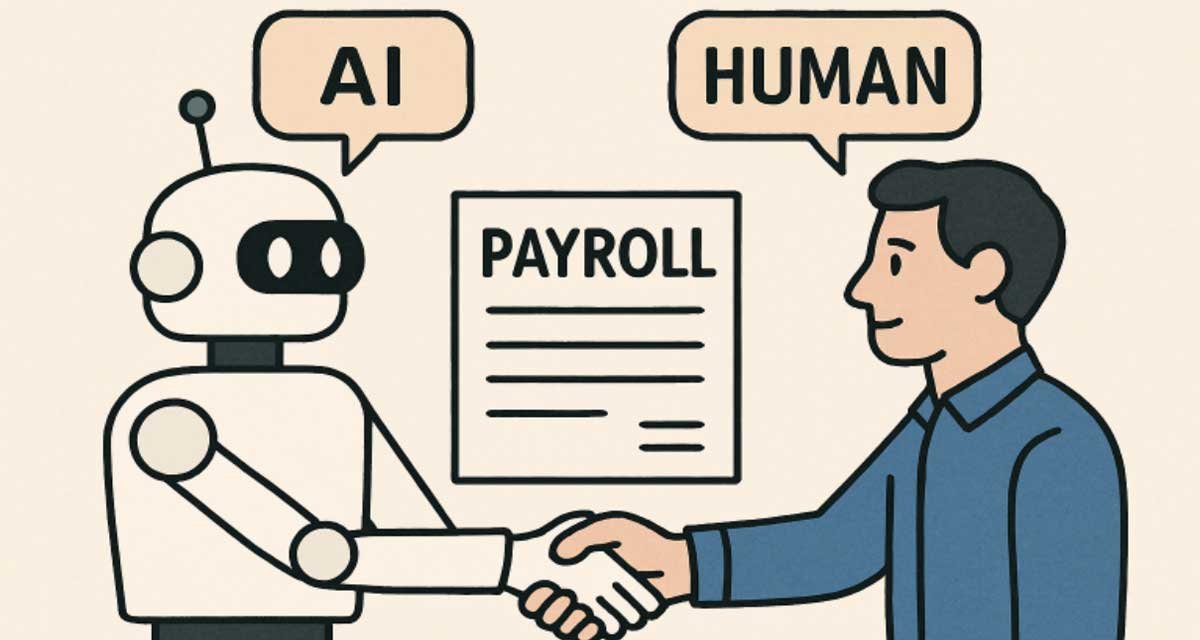
Despite transformative advancements, AI cannot and should not replace the human element in payroll. Payroll professionals offer vital oversight in interpreting complex scenarios, handling exceptions, and addressing nuanced or ethical issues that require empathy and discretion. Human expertise ensures that technology is implemented in ways that reflect organizational culture, values, and unique business needs.
The combination of automated systems and human judgment produces a more resilient and ethical payroll environment. This synergy enables businesses to leverage cutting-edge tools without losing sight of the personalized service that fosters employee loyalty and trust.
Future Trends in Payroll Automation
The near future of payroll automation will see deeper integration of sophisticated AI capabilities, including predictive analytics, which will allow payroll teams to anticipate workload spikes, regulatory shifts, and even potential errors before they happen. Machine learning will enable more personalized payroll experiences, tailoring pay, benefits, and tax withholding to individual preferences and contexts.
Another emerging trend is the use of blockchain technology for payroll transactions, offering enhanced transparency, tamper-proof records, and instant cross-border payments. As trust in digital payroll systems increases, businesses and employees alike can expect faster settlements and lower processing costs. According to Forbes, embracing these changes will be essential for remaining competitive in the evolving world of work.
Final Thoughts
As organizations embrace AI and automation in payroll, the benefits are clear: improved efficiency, accuracy, compliance, and employee satisfaction. However, a successful payroll strategy requires more than technology alone. By striking the right balance between innovative AI systems and experienced human oversight, businesses can create ethical, responsive payroll operations that support both organizational goals and workforce well-being well into the future.