





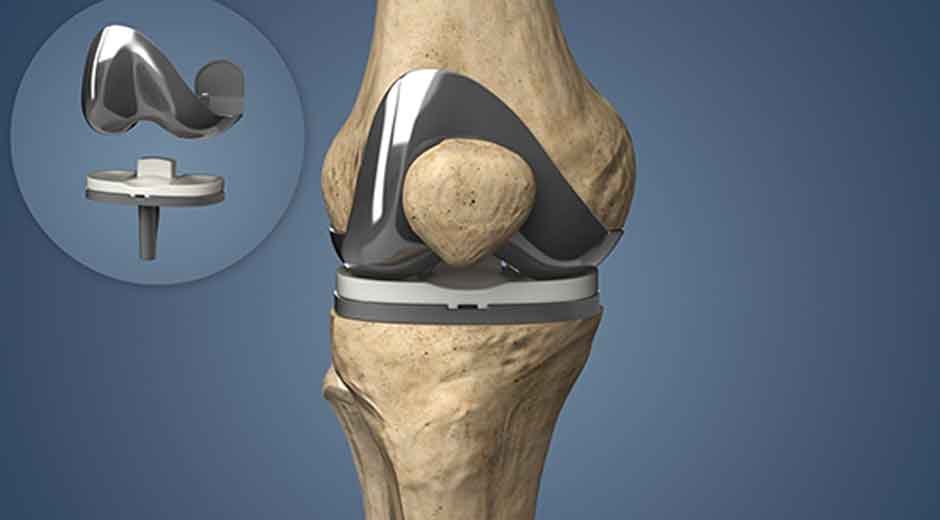
Knee arthritis is a progressive condition that often begins with mild stiffness or discomfort but can eventually lead to serious mobility challenges. For many people, the gradual degeneration of the knee joint becomes more than just an inconvenience—it begins to interfere with daily routines and overall quality of life. Over time, even simple activities like walking, climbing stairs, or standing up from a chair can become painful. When conservative treatments no longer provide relief, the next logical step for long-term improvement may be knee replacement surgery. We will explore how arthritis damages the knee joint, why symptoms escalate, and what leads patients and doctors to opt for joint replacement as the ultimate solution.
How Arthritis Progresses Toward Knee Replacement
- Cartilage Breakdown Triggers the Chain Reaction
The knee joint is cushioned by cartilage that allows smooth and painless motion. In osteoarthritis—the most common form of arthritis affecting the knee—this cartilage begins to wear away slowly over time. The wear and tear may start subtly, with occasional stiffness in the morning or mild pain after activity. But this seemingly harmless deterioration is the first sign of something deeper. As the cartilage thins out, bone surfaces begin to rub against each other. This friction not only causes pain but also leads to inflammation within the joint. In response, the body may create extra bone formations known as bone spurs. These spurs further limit motion and contribute to the grinding, aching, and swelling sensations patients often report. What was once mild discomfort begins to morph into persistent pain, prompting individuals to adjust their gait, avoid stairs, or reduce physical activity altogether. For those exploring long-term solutions, options like knee replacement surgery in Houston become increasingly relevant.
- Joint Space Narrows and Function Declines
As arthritis progresses, X-rays begin to show a narrowing of the joint space, a clear indication that the cushioning cartilage has deteriorated significantly. With less space between bones, each movement of the knee creates more stress and more pain. This phase often marks a turning point in the patient’s journey—where over-the-counter painkillers, physical therapy, and activity modifications may no longer provide enough relief. Individuals may start to avoid walking long distances or find themselves needing assistive devices like canes. Muscle weakness around the knee may also set in, as inactivity reduces strength and flexibility. Swelling may become a constant feature, and the joint can start to feel warm or appear visibly deformed. These combined symptoms reduce quality of life and lead many patients to seek surgical solutions when functional movement is severely limited and pain affects their emotional well-being.
- Inflammation Becomes Chronic and Damage Accelerates
Inflammation in arthritis is not just an occasional flare-up—it becomes a chronic part of life. As the joint continues to degenerate, the body releases enzymes and inflammatory chemicals that damage surrounding tissue. The synovial fluid in the joint may become thick and lose its lubricating quality, further increasing friction and discomfort. This environment creates a destructive cycle: inflammation leads to damage, and damage leads to more inflammation. Cartilage loss speeds up, bone becomes rougher, and ligaments may stretch or loosen, reducing joint stability. This stage can bring constant aching, sharp pain with movement, and a complete inability to straighten or bend the knee fully. Patients may struggle with sleep disruptions due to night pain and find everyday tasks increasingly difficult. When symptoms interfere with not only mobility but also mood, sleep, and independence, surgical replacement becomes a real consideration.
- Failed Non-Surgical Treatments Point to Surgery
Most people with knee arthritis initially try non-surgical treatments such as physical therapy, anti-inflammatory medications, weight loss, corticosteroid injections, and lifestyle adjustments. While these methods can delay surgery, they do not reverse joint damage. For some individuals, these strategies may work for months or even years, but as arthritis continues to worsen, the benefits of conservative treatment decline. Repeated injections may lose effectiveness, pain medication may be needed more frequently, and physical therapy may no longer improve strength or flexibility.
Patients may begin planning their days around the severity of their knee pain or cancel social engagements due to limited mobility. When these limitations become too disruptive and imaging confirms joint destruction, the conversation naturally shifts toward the long-term solution that knee replacement surgery offers. At this stage, patients and healthcare providers assess the risks and benefits of surgery based on overall health, lifestyle goals, and symptom burden.
- Loss of Quality of Life Justifies Surgical Intervention
Knee replacement surgery is often not a quick decision but rather the result of an extended battle with arthritis that wears down physical and emotional resilience. The loss of quality of life becomes the most powerful motivator for considering surgery. Patients report struggling with basic tasks such as getting out of bed, walking to the mailbox, or performing household chores. Some may develop compensatory habits that strain other joints or lead to secondary problems such as hip or back pain.
The psychological toll of chronic discomfort can lead to frustration, sadness, and even depression. The prospect of surgery becomes not just a desire to end pain but a hopeful path to regaining independence, restoring mobility, and enjoying a fuller life. Modern knee replacement procedures are designed to relieve pain, restore alignment, and improve function. When performed at the right time in the progression of arthritis, surgery has the potential to offer long-term relief and return patients to a more active lifestyle.
Knee arthritis is a condition that gradually chips away at the smooth functioning of one of the body’s most relied-upon joints. While early signs may be manageable, the long-term effects often lead to more severe consequences that demand greater intervention. As we’ve seen, cartilage deterioration, narrowing joint space, chronic inflammation, and treatment failure all contribute to the increasing limitations that many patients experience. For those who find themselves facing daily struggles due to arthritis, understanding this process can help them feel more informed and empowered when making healthcare decisions.