




Statistics reveal that households can lose up to 20,000 gallons of water annually due to leaks, a testament to the importance of a well-maintained plumbing system. Not only does regular plumbing maintenance prevent wastage, but it also ensures that home efficiency is optimized, reducing unnecessary expenses and conserving natural resources. Below, we dive into the transformative benefits of regular plumbing upkeep.
Maintaining your home’s plumbing system is a non-negotiable part of home upkeep, impacting water conservation, energy savings, and the overall longevity of your plumbing infrastructure. Understanding how routine maintenance contributes to a home’s efficiency is the first step to reaping such benefits. In this article, we’ll explore the significance of maintenance and provide actionable tips for homeowners. rotorooter.com
How Regular Plumbing Maintenance Enhances Home Efficiency
Integrating regular plumbing maintenance into your home care routine can result in considerable energy and water savings. For instance, a dripping faucet or a running toilet can waste gallons of water each day, aggregating to a substantial amount over time.
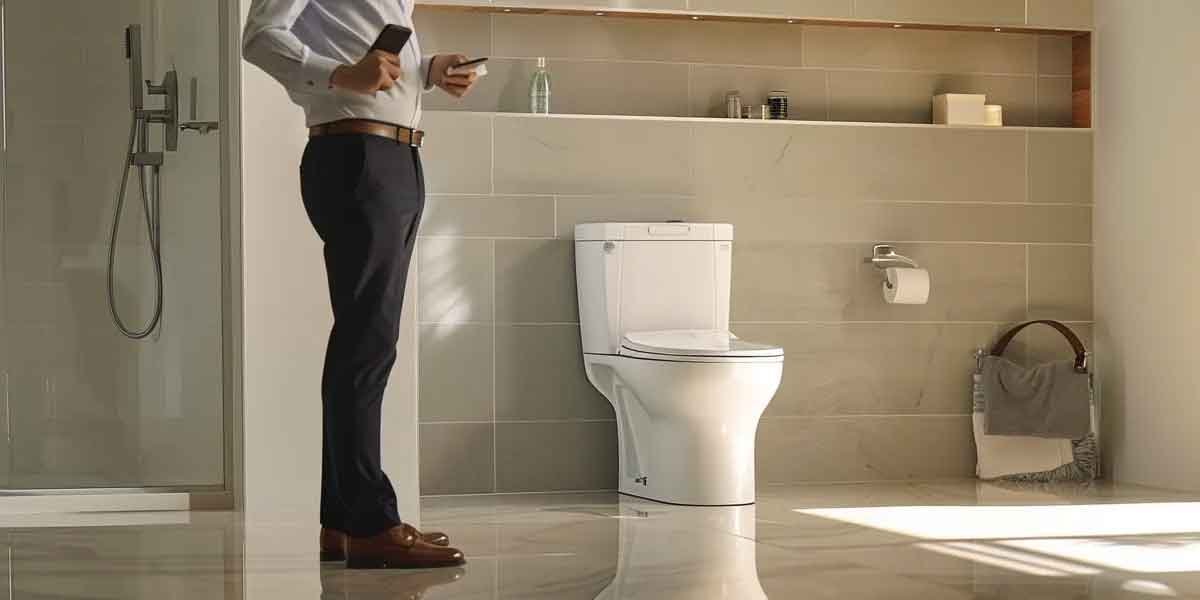
Supporting this are studies showing that replacing old, inefficient toilets with newer, water-conserving models can save an average household nearly 13,000 gallons of water per year. Similarly, ensuring your plumbing fixtures and fittings are up to date and functioning properly is key for preventing water loss and energy inefficiency.
For actionable guidance, homeowners should create a checklist that includes inspecting faucets, showerheads, toilets, and appliances for leaks and inefficiencies, and then addressing these promptly, either through DIY fixes or by employing a professional plumber.
Detecting and Fixing Leaks: A Key to Energy Conservation
One of the most immediate and impactful measures to conserve energy at home is detecting and repairing leaks. They can lead to higher water bills and inadvertently increase the energy used for heating the water.
Leak detection should be a regular part of home maintenance; a single leak in a hot water line can waste energy equivalent to running a dishwasher for an entire year. In addition, resolving leaks quickly prevents mold growth and structural damage, which are costly to repair and can negatively affect the home’s air quality.
Homeowners should consider using smart leak detectors or scheduling annual inspections with a licensed plumber to ensure minor leaks are identified and fixed promptly, conserving both water and energy. Checking for home leaks is an essential step to ensure your house operates efficiently.
The Role of Plumbing Inspections in Water Usage Reduction
Comprehensive plumbing inspections play a vital role in the reduction of water usage, one of the most significant aspects of residential resource conservation. These inspections can identify areas of inefficiency and potential leaks, even those that are not obvious to the untrained eye.
Inspections often lead to discoveries such as high water pressure causing pipes to fail prematurely or inefficient water heaters working overtime, both of which unnecessarily increase water consumption and energy bills. For example, adjusting the water pressure can extend the life of your plumbing system while conserving water and reducing energy costs.
Homeowners should consider engaging a professional plumber for such inspections, who can not only assess current issues but also offer recommendations for improvements like low-flow fixtures or more efficient water heaters.
From Water Heaters to Pipes: The Impact of Maintenance on Longevity and Performance

The condition of water heaters and pipes is key to the performance and longevity of a home’s plumbing system. Well-maintained water heaters operate more efficiently and last longer, avoiding the premature expense of replacement. Sediment buildup, for instance, can diminish a water heater’s efficiency and damage its internal components.
Similarly, the state of a home’s pipes directly influences the system’s efficacy; corroded or clogged pipes can reduce water flow, leading to increased water usage and energy to achieve the same results. Regular maintenance, such as flushing the system, can mitigate these issues.
Actionable guidance includes scheduling annual service checks for water heaters, softening hard water to reduce sedimentation, and using environmentally friendly chemicals or professional services to clear out any clogs in pipes. Energy Star certified water heaters are also a wise investment for homeowners focused on long-term efficiency.
Ultimately, regular plumbing maintenance is a judicious choice that extends beyond simple leak prevention. It encapsulates broader benefits like enhanced efficiency, reduced environmental impact, and substantial cost savings over time. By adopting a proactive maintenance strategy, homeowners not only preserve their plumbing systems but also contribute to a more sustainable living environment.