


Creating high-quality visuals used to require a combination of design skills, specialized software, and considerable time. Today, advances in artificial intelligence are changing that process. Businesses, marketers, creators, and educators can generate visual concepts from simple text instructions, explore multiple creative directions, and refine ideas faster than traditional workflows allow.
This shift does not mean human creativity is becoming less important. Instead, AI is increasingly being used as a practical tool for brainstorming, experimentation, and production support. The real advantage comes from knowing how to combine automated generation with sound creative judgment.
As visual content becomes central to websites, social media, advertising, presentations, and digital products, understanding how AI image technology fits into modern creative workflows can help teams work more efficiently while maintaining quality and consistency.
Turning Ideas Into Visual Concepts
One of the biggest advantages of AI image technology is its ability to turn a written idea into a visual starting point. Instead of opening a blank canvas and building every element manually, creators can describe a scene, mood, composition, or subject and use that description to explore possible results.
This is particularly useful during the early stages of a project. A marketing team might need several concepts for a campaign, while a content creator may want to visualize an idea before investing time in a finished design.
Tools such as an AI image creator can support this exploratory stage by helping users move from written concepts toward usable visual directions. The important point is not simply generating an image, but using the process to test ideas quickly and decide which creative approach deserves further development.
Faster Prototyping for Creative Teams
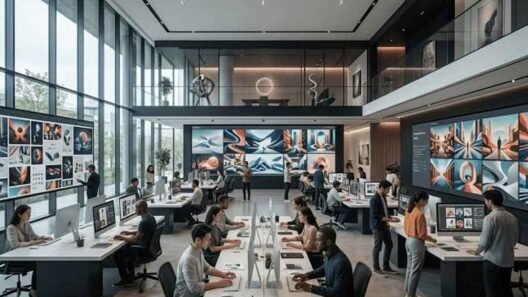
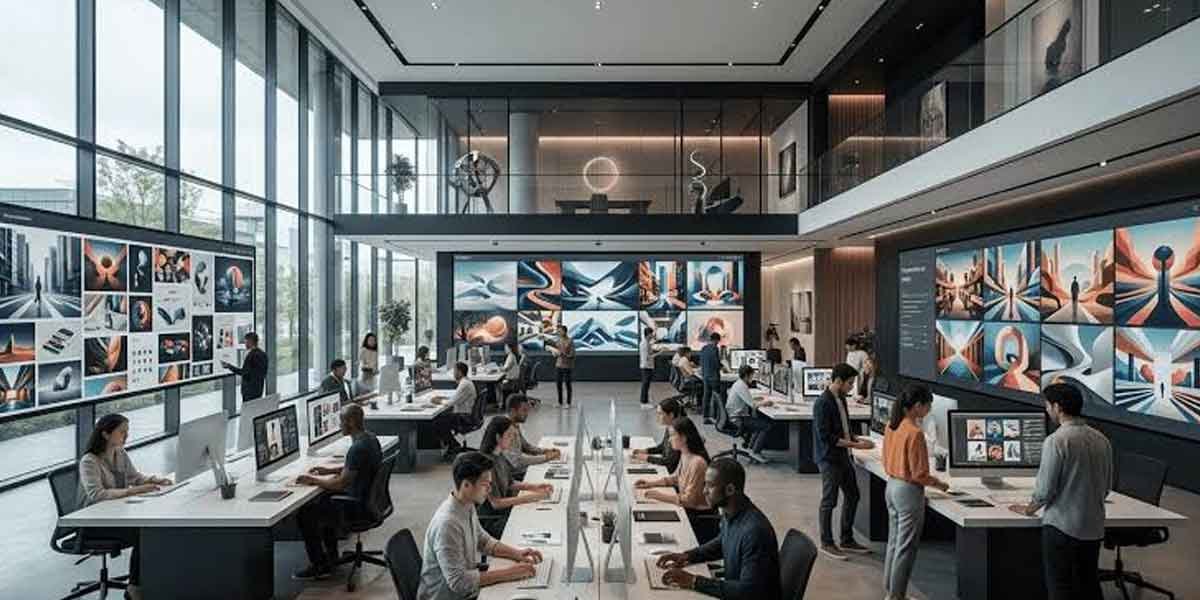
Speed matters when creative teams are working with tight deadlines. Traditional design processes can require multiple rounds of sketching, editing, asset collection, and approval before a concept becomes presentable.
AI-assisted image generation can shorten some of these early stages. Designers can create rough visual references, compare different compositions, and identify potential problems before moving into detailed production.
For businesses, this can make collaboration easier. A team discussing a campaign does not have to rely entirely on written descriptions of what a finished concept might look like. Visual prototypes can provide a common reference point for marketers, designers, writers, and decision-makers.
The technology is especially valuable when it supports existing creative expertise rather than attempting to replace it. Human review remains important for accuracy, brand consistency, cultural context, and visual quality.
More Flexible Image Generation
Modern image-generation systems are becoming more capable of interpreting detailed instructions and producing visuals suited to different creative purposes. This flexibility allows users to experiment with styles, subjects, layouts, and visual themes without rebuilding each concept from scratch.
For example, a content team might need illustrations for an educational article, promotional graphics for a social campaign, or concept images for a presentation. Rather than treating each requirement as an entirely separate design challenge, AI can provide starting points that can later be refined.
Newer systems, including the GPT Image 2.5 AI image generator, also illustrate how AI-based creation is becoming more integrated with broader digital workflows. The value of such tools ultimately depends on how effectively users guide the technology and evaluate the resulting images.
Maintaining Quality and Creative Control
AI generation does not automatically guarantee a professional result. Generated visuals can contain inconsistencies, inaccurate details, unsuitable compositions, or elements that do not match a brand’s visual identity.
For that reason, quality control should remain part of the creative process. Users should review important details, check whether the image communicates the intended message, and make adjustments when necessary.
Clear prompting can also improve results. Instead of providing a vague description, creators can specify the subject, environment, composition, lighting, perspective, and desired visual character. Iterative prompting can then help refine the concept.
This approach treats AI as a collaborative production tool rather than a one-click replacement for creative judgment. The strongest workflows combine automation with human direction, editing, and evaluation.
The Future of AI-Powered Visual Content
As AI image technology develops, its role in digital content creation is likely to expand. Faster generation, improved instruction following, and greater control over visual outputs could make AI increasingly useful across marketing, publishing, education, entertainment, and product development.
However, long-term value will depend on more than technical capability. Businesses will need clear creative standards, responsible review processes, and consistent brand guidelines to ensure generated content remains useful and trustworthy.
Creators who understand both the possibilities and limitations of AI will be better positioned to use these systems effectively. Rather than viewing image generation as a replacement for established creative skills, it is more productive to see it as another layer in the modern production toolkit.
Conclusion
AI image generation is changing how people approach visual content, particularly during brainstorming, prototyping, and early production. It can reduce repetitive work, accelerate experimentation, and help teams turn abstract ideas into visual concepts more quickly.
At the same time, effective visual communication still depends on human judgment. Selecting the right concept, checking accuracy, maintaining brand consistency, and understanding an audience cannot be delegated entirely to automation.
The most sustainable approach is therefore a balanced one: use AI to increase creative flexibility and production speed while keeping people responsible for direction and quality. As the technology continues to mature, this combination of human expertise and intelligent automation will become an increasingly important part of professional visual workflows.