





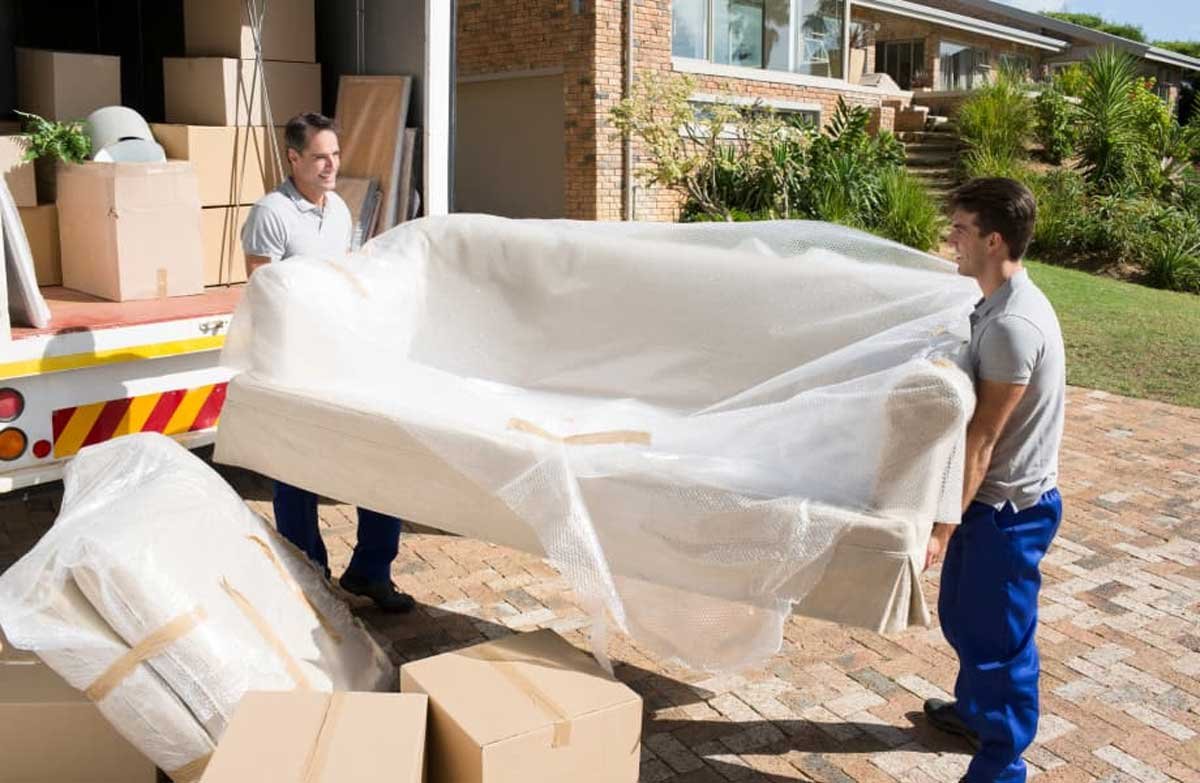
Buying a new sofa is an exciting step in furnishing a home. However, delivering it to an apartment is not always straightforward. Apartment buildings often present logistical challenges that aren’t obvious when selecting furniture in a showroom. Before purchasing a sofa, consider how it will be transported from the delivery vehicle to its final location. Several things may obstruct the way and cause damage to the sofa or property.
1. Narrow doorways, hallways, and staircases
One common problem is that the sofa does not fit through the available access points. Apartment entrance doors, interior doorways, narrow hallways, stairwells, and tight corners can all restrict movement, especially when transporting large sectional sofas or oversized models.
Take measurements before ordering furniture. Compare the sofa’s packaged and assembled dimensions with the width and height of all doors, corridors, and staircases along the delivery route. Keep in mind that protective packaging adds several centimeters to the sofa’s overall size.
Some sofas can be disassembled by removing legs, armrests, or detachable sections, which makes transport considerably easier. Modular sofas are especially convenient because their sections can be moved and assembled separately inside the apartment. If a sofa cannot be disassembled, professional movers https://paramountmoving.ca/service/furniture-moving-in-calgary/ may need to use specialized carrying techniques or lifting equipment.
2. Elevator limitations in apartment buildings
Even if a building has an elevator, it may not be large enough to accommodate furniture. Passenger elevators are often too small for long, bulky sofas. Freight elevators, if available, may have size or weight restrictions. As a result, the delivery team may have no choice but to carry the sofa up several flights of stairs.
Manually transporting heavy furniture increases the time required for delivery and may incur additional labor charges. It also requires careful coordination to avoid damaging elevator interiors, walls, railings, or the furniture itself.
Before the delivery date, measure the elevator cabin, entrance doors, and ceiling height. Notifying the retailer or moving company of elevator limitations allows them to prepare the appropriate number of movers and equipment in advance.
3. Risk of damage during transportation inside the building
Moving a large sofa through confined spaces creates numerous opportunities for accidental damage. Obstacles include sharp turns, low ceilings, decorative wall finishes, handrails, lighting fixtures, and door frames. The sofa’s upholstery may scratch or tear if it rubs against rough surfaces, and walls and floors may be marked or dented.
Professional movers reduce these risks by using furniture blankets, protective corner guards, carrying straps, and careful lifting techniques. In some situations, it may be worthwhile to temporarily remove doors or protective coverings for walls and floors, particularly in newly renovated apartments.
Planning the delivery route before the sofa arrives is also important. Removing rugs, decorative items, small furniture, and other obstacles creates additional maneuvering space and improves safety for everyone involved.